
On-Device AI Product Decisions for iOS Apps
Apple's Foundation Models framework gives supported apps local intelligence options, but product teams still need availability checks, fallback, and safety design.

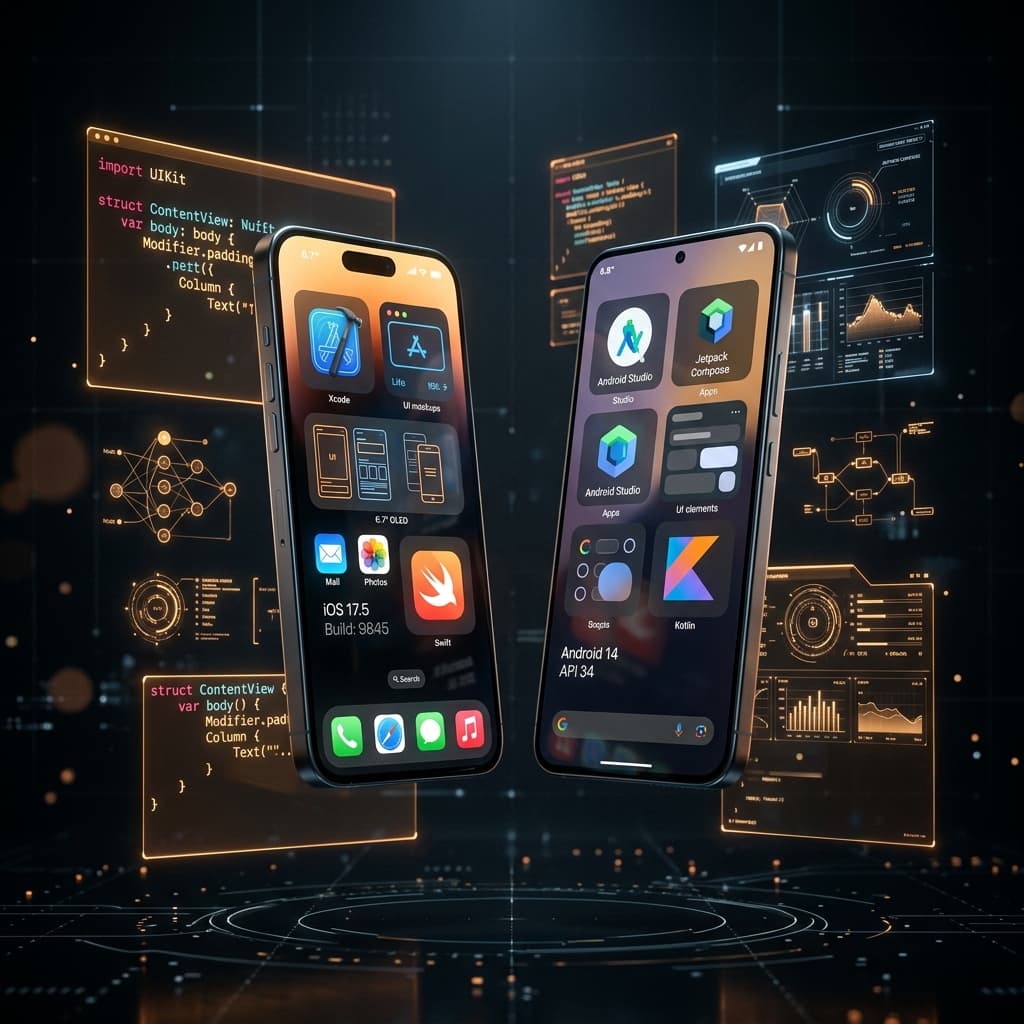
iOS on-device AI features should be scoped around supported tasks, device availability, structured output, tool use, privacy expectations, and fallback states.
On-device AI changes the product conversation for iOS apps. Features like summarization, entity extraction, refinement, structured output, and tool-assisted tasks can feel faster and more private when they run locally on supported devices.
011. Design Around Availability
A local model may depend on device support, user settings, model download state, language support, and system conditions. The app needs to check availability before promising the feature.
Unavailable should not feel like broken. Offer a manual path, delayed path, or cloud-backed alternative where appropriate.
022. Use Structured Output Where It Helps
Generated prose is not always the best output. For business apps, structured fields, tags, summaries, and extracted entities may be more useful than long text.
When the app knows the shape of the data it needs, the AI feature becomes easier to validate and easier to review.
033. Explain Local Processing Simply
Users do not need a technical lecture, but they should understand when a task runs on device and when data may leave the device.
This is especially important for enterprise mobile apps where users may handle customer, field, or operational information.
044. Keep the Feature Narrow
The best first on-device AI feature is usually focused: summarize a note, classify a message, extract follow-up tasks, or rewrite a short update.
A narrow feature is easier to test, easier to explain, and easier for users to trust.
Related Insights

How to Decide If a Workflow Deserves AI Automation
A practical decision framework for separating strong AI automation candidates from workflows that need process cleanup first.

Chatbot, Copilot, Agent: Choosing the Right Product Shape
Not every AI product should become an autonomous agent. This guide explains when a chatbot, copilot, or agent is the right interface for the job.
Was this insight valuable?
Join our private network to receive tactical AI intelligence directly in your inbox.