
The Era of Autonomous Enterprise Agents
How autonomous AI agents are moving beyond simple chatbots to become the core reasoning engines of modern business infrastructure.


How autonomous AI agents are moving beyond simple chatbots to become the core reasoning engines of modern business infrastructure.
The transition from traditional software to AI-native systems is not just an upgrade; it's a structural paradigm shift. At APEX Experts, we are observing a massive migration toward autonomous agents that don't just 'assist' but actually 'orchestrate'. These are systems designed to perceive complex business environments, reason through multi-step logic gates, and execute workflows without the latency of constant human intervention.
011. The Anatomy of an Autonomous Agent
To understand why agents are revolutionary, we must break down their biological-inspired architecture. Unlike a script that follows a linear path (If A then B), an autonomous agent operates in a continuous loop of Perception, Reasoning, and Execution.
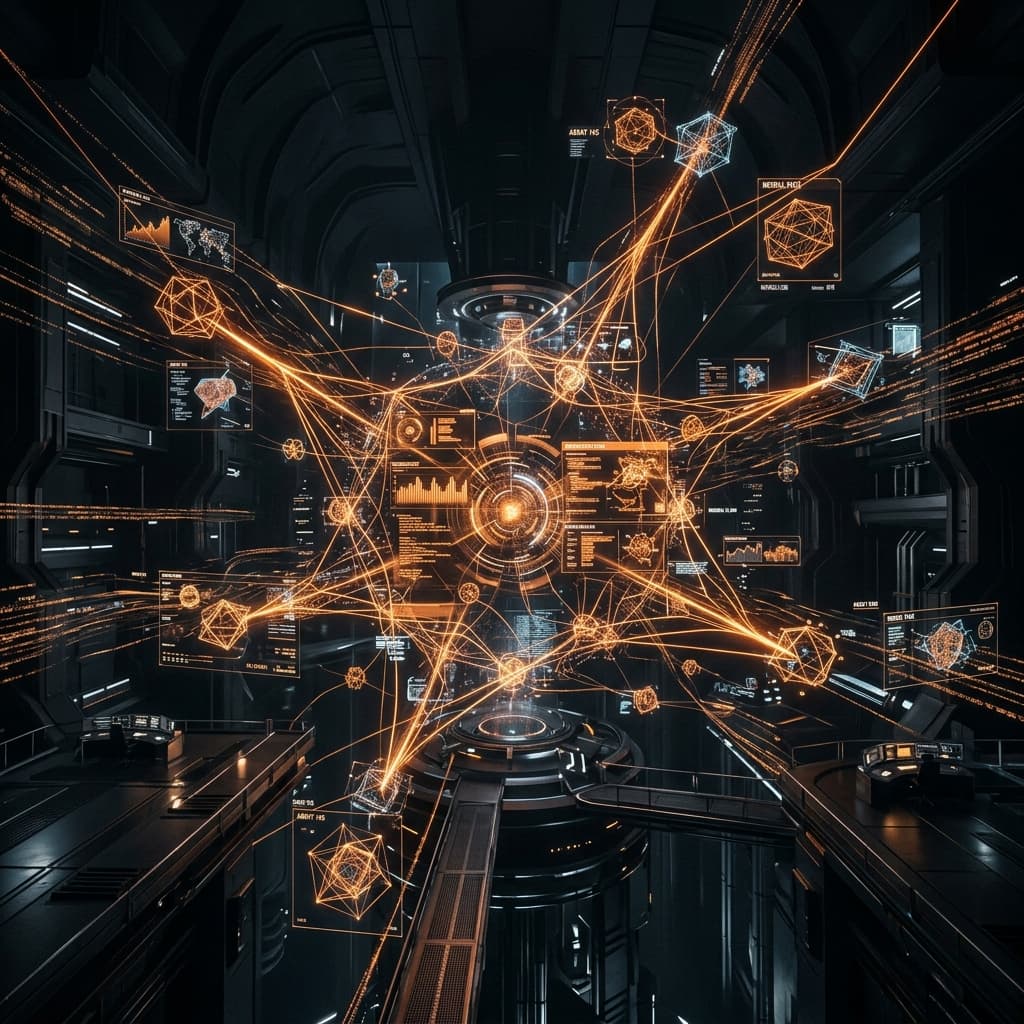
This loop allows the system to handle 'Edge Cases' that would normally break traditional automation. If a database connection fails or a vendor's API returns unexpected data, the reasoning engine doesn't simply error out. It assesses the situation, searches for an alternative path, and attempts a self-correction.
022. Beyond the Interface: Real-World Orchestration
The real value of these agents lies in their ability to interface with your existing technical stack. We are building agents that act as 'Expert Intermediaries' between your high-level business goals and your low-level data assets. For example, a procurement agent doesn't just notify you that stock is low; it analyzes historical lead times, evaluates multiple supplier prices, and drafts the purchase order for your approval.
033. The APEX Guard: Security in Autonomy
Autonomy without governance is a liability. This is why we've pioneered the APEX Guard: a zero-trust security architecture for AI agents.
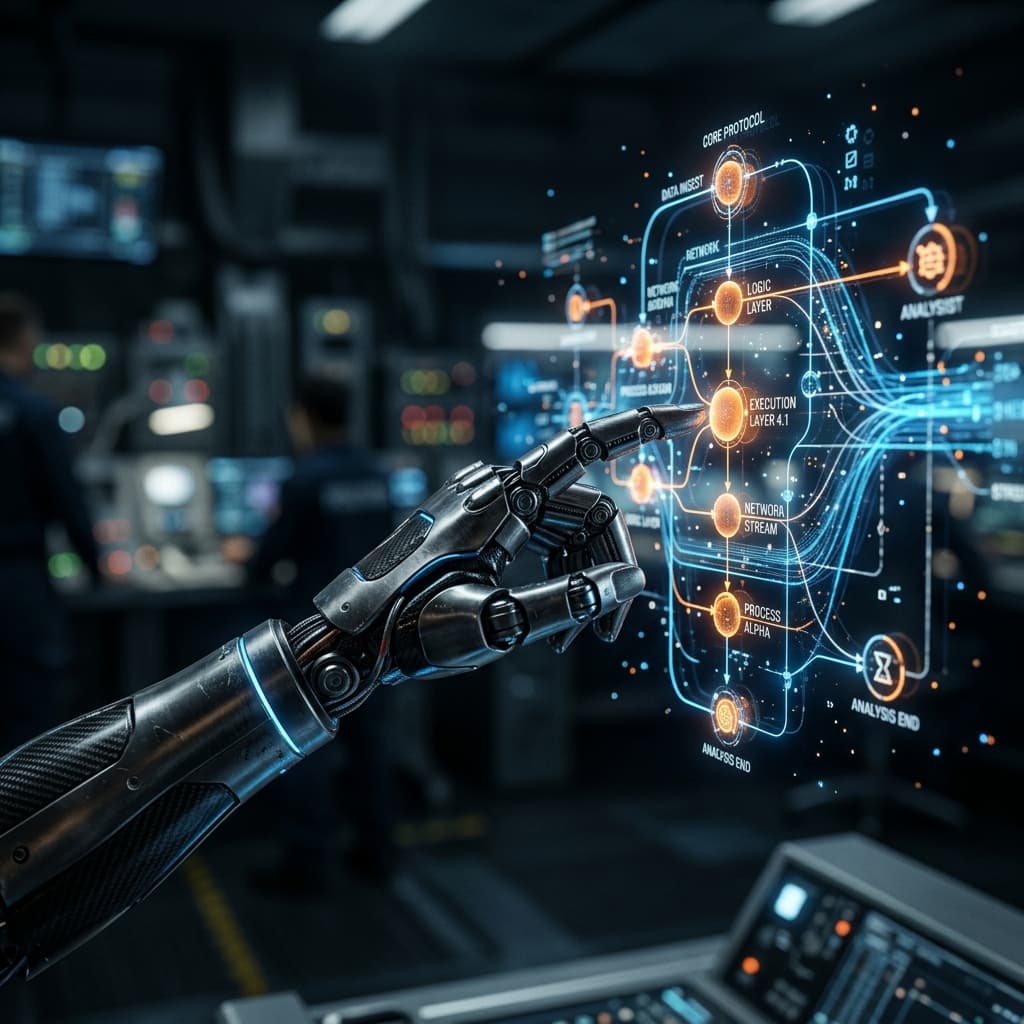
Every action an agent takes is passed through a deterministic validation layer. This layer checks the agent's intent against pre-defined safety bounds, budget limits, and compliance protocols. This ensures that while the agent is free to reason, it is never free to violate the core security principles of your organization.
044. The Future of the Digital Workforce
As we look toward 2025 and beyond, the distinction between software and employee will continue to blur. We are entering an era of 'Cognitive Multipliers' where one human expert can manage a fleet of a hundred specialized autonomous agents. This isn't just efficiency; it's a new dimension of scale.
At APEX Experts, we are not just building these agents; we are defining the standards by which they operate. The future isn't automated; it's orchestrated.
Related Insights
How to Decide If a Workflow Deserves AI Automation
A practical decision framework for separating strong AI automation candidates from workflows that need process cleanup first.
Chatbot, Copilot, Agent: Choosing the Right Product Shape
Not every AI product should become an autonomous agent. This guide explains when a chatbot, copilot, or agent is the right interface for the job.
Was this insight valuable?
Join our private network to receive tactical AI intelligence directly in your inbox.